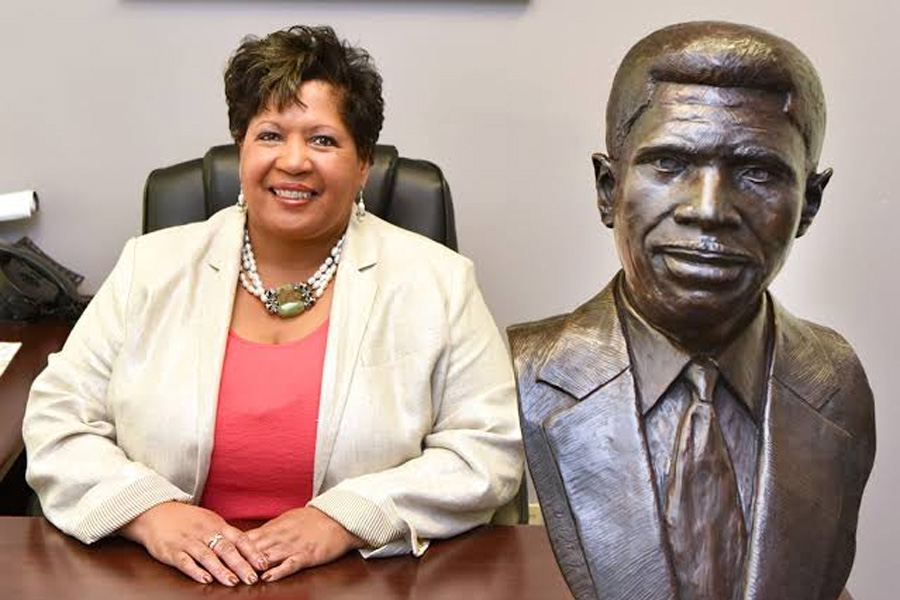
Who Reena Denise Evers Is
I write about several people when I write about Reena Denise Evers. I am writing about a daughter changed by history, a public voice created in the shadow of national trauma, and a memory guardian who holds one of the most important family legacies in American civil rights history.
Rena Denise Evers is an American civil rights activist, author, and speaker. She is the daughter of Medgar Evers and Myrlie Evers-Williams, stalwarts of the US racial justice movement. Her life has been about that struggle since childhood. No ordinary family story passed to her. Her flame was inherited.
Her public work represents her heritage. In addition to preserving family history, she helps translate a defining chapter of the 20th century into language younger generations can understand. Her work is historical and present. It references 1963 but speaks to the present.
Growing Up in the Evers Family
To understand Reena Denise Evers, I have to begin with the family into which she was born. The Evers household was not just a family home. It was a front line in the civil rights movement.
Her father, Medgar Evers, was the NAACP field secretary in Mississippi, one of the most perilous jobs in the early 1960s. He fought segregation, expanded voting rights, and challenged racial terror. His efforts were realistic, determined, and daring. Even when dangers approached, he researched abuses, backed boycotts, formed communities, and kept going.
Then 1963. That year split American history and the Evers family. Medgar Evers was murdered outside his Jackson, Mississippi home. Nationwide shock followed his death. Loss was personal for his children, notably Reena. Personal, immediate, and permanent.
I think that fact matters deeply when considering Reena’s later life. She did not come to civil rights memory through textbooks or ceremonies alone. She came to it through grief, family testimony, and the unfinished work left in the wake of violence.
Medgar Evers and the Weight of a Father’s Legacy
Medgar Evers remains central to Reena Denise Evers’ story because his life and death created the historical landscape she would later help preserve. He was more than a martyr. He was a strategist, organizer, husband, and father.
His Mississippi action opposed segregationist power at a time when such resistance often cost lives, livelihoods, and safety. He was one of the movement’s most moral Southern speakers. His efforts made him a target and a national figure by 1963.
Reena sees Medgar Evers’ legacy as a never-ending river. Pain, honor, duty, and public expectation are involved. Additionally, it offers purpose. Her renowned work focuses on understanding her father and why his sacrifice counts.
That is not a small task. Public memory can become polished and simplified over time. Reena’s role, as I understand it, is to keep that memory human. To remind audiences that Medgar Evers was not only historic, but also familial.
Myrlie Evers-Williams and the Strength of a Mother
If Medgar Evers is the moral center of the family’s public memory, Myrlie Evers-Williams is one of its fiercest architects. Reena’s mother emerged as a major civil rights figure in her own right, especially after her husband’s assassination in 1963.
She spent decades fighting for justice, speaking, writing, organizing, and preserving Medgar Evers’ legacy. Later leadership, including NAACP chair, gained her national exposure. Before official titles, she worked hard at remembering.
A mother like Reena Denise Evers influences me. Growing up under Myrlie Evers-Williams meant learning discipline, endurance, and public courage from her. Myrlie structured sorrow in numerous ways. Legal justice, historical recognition, and moral clarity were her goals.
For Reena, that maternal example likely shaped both style and mission. Her public presence is often described as thoughtful and grounded. Rather than seeking spectacle, she appears to work within the quieter but equally important fields of education, commemoration, and institutional preservation.
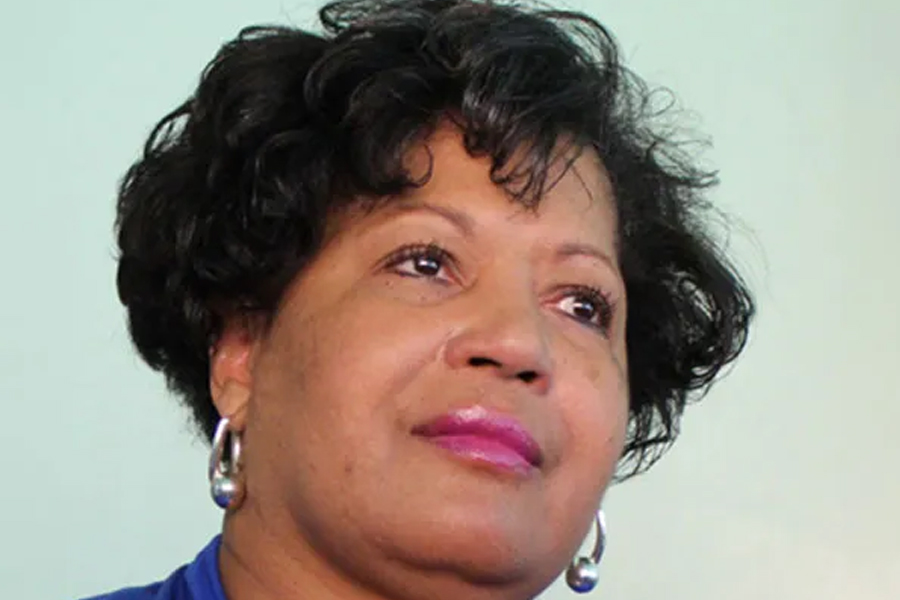
Siblings and the Shared Family Story
Reena Denise Evers is not the only child of Medgar and Myrlie Evers. She is part of a sibling group that also includes Darrell Kenyatta Evers and James Van Evers. Together, they belong to a family whose name is woven into the fabric of civil rights history.
Darrell Kenyatta Evers has been associated with civil rights advocacy and public education efforts. His visibility reinforces the idea that the Evers legacy has not rested on one person alone. It has remained a shared responsibility across generations.
James Van Evers’ modest profile is crucial too. Families affected by past catastrophe react differently to public life. They talk onstage. Not everyone is noticed. Both are human responses to a rare family burden.
When I look at the Evers siblings as a whole, I see a family bound by more than blood. They are linked by a national event that altered their childhood and defined how others would forever see them.
Grandparents and the Soil of Mississippi
Every major family story has deeper roots, and the Evers family is no exception. On the paternal side, Medgar Evers was the son of James Evers and Jesse Evers. They raised their family in segregated Mississippi, a place where racial injustice was not occasional but structural.
That milieu shaped Medgar Evers’ worldview. His activism evolved from that household’s ideals, challenges, and reality. These grandparents belong to Reena Denise Evers’ inherited history behind the headlines. The older generation struggled with Jim Crow and passed on the strength to fight it.
The information mentions James Van Dyke Beasley and Mildred Washington Beasley on the maternal side. Even if public details are scarce, they reveal more. Reena’s two families shaped her leadership.
Reena Denise Evers as an Author and Advocate
Publicly, Reena Denise Evers is best known for civil rights education, public speaking, and legacy work connected to her family history. She has been involved in efforts to preserve the story of Medgar Evers and to keep that story active in modern conversations about race, justice, and democracy.
She has also been associated with authorship, including work connected to For Us, the Living, a book tied to family memory and the life of Medgar Evers. Writing in this context is not just literary work. It is stewardship. Each page becomes a lantern held up against historical forgetting.
Her advocacy appears to center on a few key areas:
| Area | Focus |
|---|---|
| Civil rights education | Public talks, lectures, and historical interpretation |
| Legacy preservation | Protecting the memory of Medgar Evers and family history |
| Institutional work | Participation in educational and commemorative programs |
| Public advocacy | Engagement with justice, memory, and civic awareness |
What stands out to me is that her work seems less about self-promotion and more about continuity. She helps keep a bridge standing between the movement generation and the present one.
The Medgar Evers Institute and Historical Preservation
A major part of Reena Denise Evers’ public identity is her connection to educational and preservation efforts associated with the Medgar Evers legacy. Through leadership and advocacy, she has been linked to work that supports archival preservation, educational outreach, and public understanding.
That kind of labor can seem quiet from the outside, but it is vital. Movements do not survive on monuments alone. They survive through archives, classrooms, annual commemorations, and the patient repetition of truth. I think that is where Reena’s contribution becomes especially important.
Historical preservation is often a battle against erosion. Time smooths edges. Public memory shortens. Complex figures get turned into slogans. Reena Denise Evers appears to resist that erosion by helping preserve not just a name, but a full human and political legacy.
A Family Timeline in Public Memory
The Evers family story can be understood through a series of turning points that still shape public memory today.
| Year or Period | Family Significance |
|---|---|
| Early 1960s | Medgar Evers rises as a leading civil rights figure in Mississippi |
| 1963 | Medgar Evers is assassinated in Jackson, Mississippi |
| 1970s and 1980s | The family continues private healing and public remembrance |
| 1990s | Renewed public engagement in commemorations and justice efforts |
| 2000s | Expanded institutional preservation and education work |
| 2010s | Greater visibility in documentaries, museums, and civil rights anniversaries |
| 2020s | Continued outreach, remembrance, and intergenerational advocacy |
This timeline shows how Reena Denise Evers stands in a line of continuity. The story did not end in 1963. In many ways, that was when the burden of carrying it forward began.
Private Life and Public Identity
Reena Denise Evers’ public-private balance is striking. She lives a quiet existence, unlike several celebrities from famous families. Mainstream public discourse rarely discusses marriage, children, or domestic life.
That constraint matters. It implies that her public role has been mission rather than fame. Reena Evers-Everette is used in civil rights publications for educational and memorial purposes, not entertainment.
That distinction matters. In a culture that often rewards visibility for its own sake, Reena’s presence seems tied to substance, memory, and responsibility.
FAQ
Who are the parents of Reena Denise Evers?
Reena Denise Evers is the daughter of Medgar Evers and Myrlie Evers-Williams. Her father was a leading civil rights activist and NAACP field secretary in Mississippi, and her mother became a major activist, author, and national leader in her own right.
Why is Reena Denise Evers historically significant?
She is historically significant because she carries forward the legacy of one of the most important civil rights families in the United States. Her work in education, public speaking, authorship, and preservation helps keep the story of Medgar Evers alive for new generations.
Who were her siblings?
Her siblings include Darrell Kenyatta Evers and James Van Evers. Together, they are the children of Medgar and Myrlie Evers and share in a family history marked by both tragedy and public responsibility.
What happened to her father, Medgar Evers?
Medgar Evers was assassinated in 1963 outside his home in Jackson, Mississippi. He was targeted because of his civil rights work, and his death became a defining event in the national struggle for racial justice.
What role did Myrlie Evers-Williams play in the family legacy?
Myrlie Evers-Williams preserved and expanded the family’s civil rights legacy through activism, writing, public speaking, and institutional leadership. She spent decades seeking justice and ensuring that Medgar Evers’ life and sacrifice remained part of the national conscience.
Is Reena Denise Evers an author?
Yes, she has been associated with authorship and contributions to works centered on family memory and civil rights history, including For Us, the Living. Her writing reflects a broader commitment to historical preservation.
What kind of public work is Reena Denise Evers known for?
She is known for civil rights education, historical preservation, public advocacy, and participation in commemorative events related to Medgar Evers and the wider civil rights movement.
Why does the Evers family still matter today?
The Evers family still matters because their story links past injustice to present responsibilities. Their history reminds me that civil rights is not a closed chapter but a living struggle, and Reena Denise Evers represents that ongoing bridge between memory and action.